Walk into most gyms and HIIT lives in one box: the fat-loss finisher. Fifteen minutes of burpees after the real training is done. That framing wastes the most useful thing intervals do.
Work Capacity Is the Hidden Ceiling
Your strength block is limited by how much quality volume you can recover from — between sets, between sessions, between weeks. That's work capacity, and it's trainable.
A lifter with a bigger aerobic engine:
- Recovers faster between heavy sets — same rest, higher output
- Handles more weekly volume at the same recovery cost
- Holds technique deeper into high-rep sets
"Two athletes run the same strength program. The one with the bigger engine gets more out of every session. That's not cardio — that's compounding." — Jade Torres
How We Program It
In Shred 30 and as a supplement to Iron Mass, intervals are placed to build the engine without stealing from strength work:
- Separate days or 6+ hours apart from heavy lifting
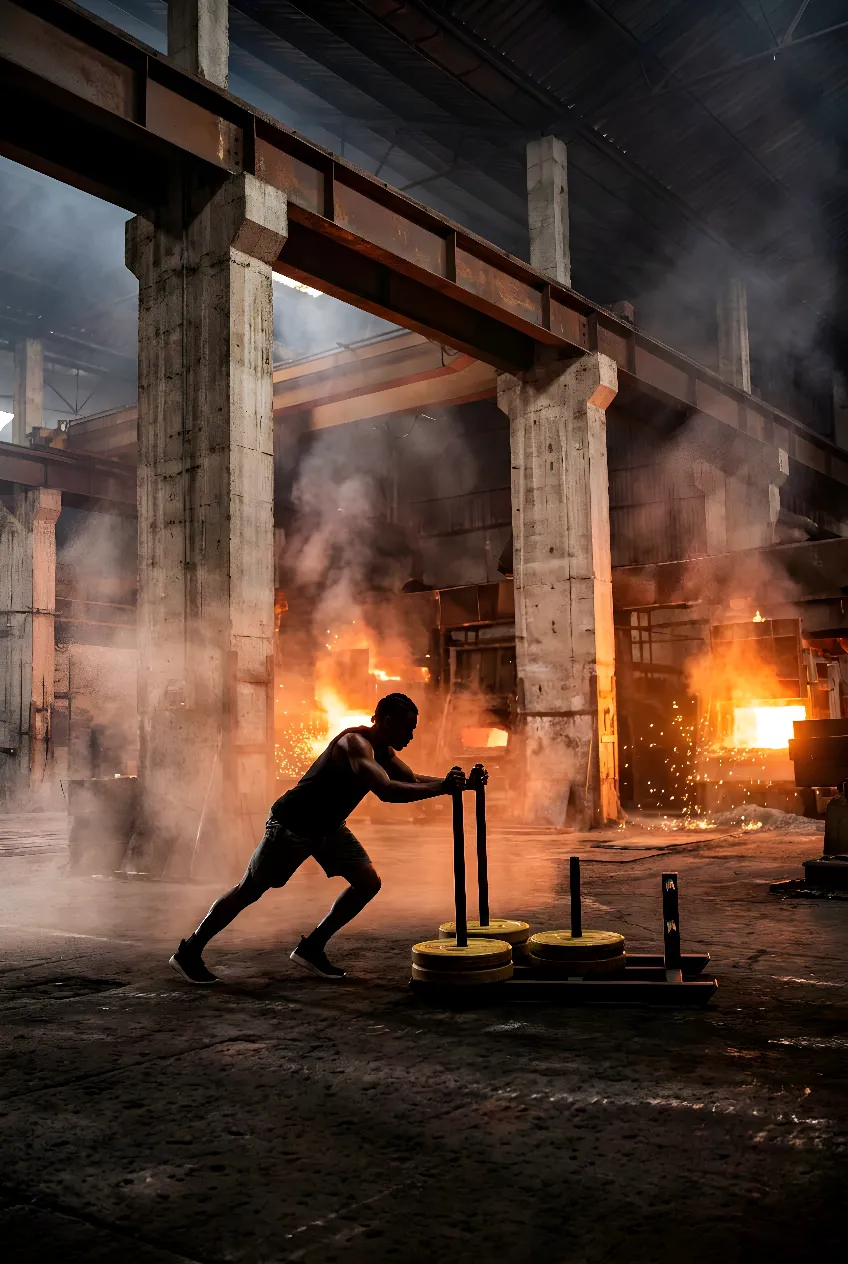
- Low-skill modalities — bike, sled, rower — so fatigue never degrades barbell technique
- True intervals — 85–95% effort with full purposeful rests, not 20 minutes of moderate suffering
Four to six weeks of twice-weekly engine work typically shows up as one extra quality set on everything — same rest clock, better bar speed.
The Bottom Line
Stop treating intervals as a calorie eraser. Program them like strength work — specific, progressive, measured — and they'll pay you back inside your strength block, not just on the scale.

Author
Jade Torres
HIIT & Metabolic